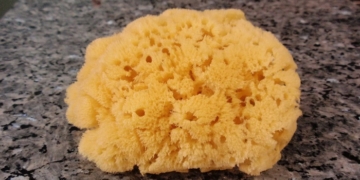


Beneath the surface of the world’s oceans lies a realm of incredible diversity and complexity, where one of the most fascinating inhabitants is the natural sea sponge. Often mistaken for simple, static organisms, ocean sea sponges are, in fact, marvels of nature with unique adaptations and vital roles in marine ecosystems. Their ancient lineage, ecological significance, and potential benefits to humanity make them subjects of enduring scientific and environmental interest.
Sea sponges in the ocean belong to the phylum Porifera, a group that dates back over 600 million years, making them one of the oldest known multicellular organisms on Earth. Their survival through eons of changing environmental conditions is a testament to their remarkable adaptability and resilience. Unlike most animals, sea sponges lack true tissues and organs. Instead, their bodies are composed of a loose aggregation of cells organized into a porous structure, which allows them to filter large volumes of water to extract food and oxygen.
One of the most impressive features of sea sponges is their filtration capacity. A single sponge can filter thousands of liters of seawater daily, capturing tiny particles of plankton, bacteria, and organic matter. This filtration not only provides nourishment for the sponge but also plays a crucial role in maintaining water quality and clarity in their habitats. By removing excess nutrients and particulates, sea sponges help prevent algal blooms and contribute to the overall health of coral reefs and other marine environments.
The diversity of sea sponges is astonishing. They come in a wide array of shapes, sizes, and colors, ranging from small encrusting forms to massive, vase-like structures that can reach several feet in height. Some sponges are soft and flexible, while others, like the glass sponges, have intricate skeletons made of silica. This diversity reflects the adaptability of sponges to various environmental conditions, from shallow coastal waters to the deep sea, and highlights their evolutionary success.
Sea sponges are also known for their chemical complexity. To deter predators and compete for space, many sponges produce a variety of bioactive compounds. These chemicals have garnered significant interest from researchers for their potential pharmaceutical applications. Numerous sponge-derived compounds have shown promise as antibiotics, antiviral agents, and anticancer drugs. For instance, the anti-tumor drug cytarabine, used in the treatment of leukemia and lymphoma, was originally derived from compounds found in sea sponges. The ongoing exploration of sponge chemistry holds the promise of new, life-saving medicines.
In addition to their ecological and medicinal importance, sea sponges exhibit remarkable regenerative abilities. They can regenerate from small fragments, allowing them to recover from injuries and even re-establish themselves after being nearly destroyed. This ability has fascinated scientists studying cellular regeneration and tissue engineering, offering potential insights into human medical applications.
Sea sponges also play a vital role in symbiotic relationships within marine ecosystems. Many sponges harbor a diverse array of microorganisms, including bacteria, algae, and fungi, within their tissues. These symbionts can provide various benefits to their sponge hosts, such as enhanced nutrient acquisition and increased resistance to environmental stressors. In return, the microorganisms gain a protected habitat and access to the sponge’s filtered nutrients. This intricate web of interactions exemplifies the complexity and interdependence of marine life.
Humans have utilized sea sponges for centuries, primarily for bathing and cleaning due to their absorbent and durable nature. In ancient civilizations like Greece and Rome, sponges were highly valued and widely traded. Even today, natural sea sponges are preferred by some for their sustainability and biodegradability compared to synthetic alternatives. Their use extends beyond personal care to applications in painting, ceramics, and even biomedical research.
The world of natural sea sponges is a testament to the wonders of evolution and the intricate balance of marine ecosystems. Their simple appearance belies a complex and vital role in the ocean’s health, and their potential contributions to science and medicine are profound. As we continue to explore and understand these remarkable organisms, we uncover not only the secrets of the deep but also the keys to future innovations. Protecting and preserving sea sponges and their habitats is essential for maintaining the delicate equilibrium of our oceans and unlocking the full potential of these ancient and extraordinary creatures.